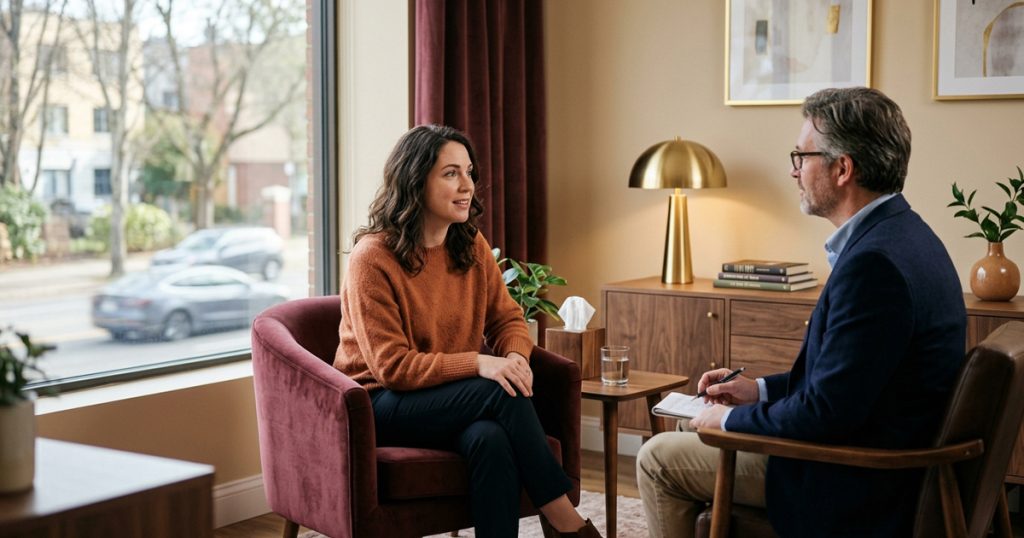
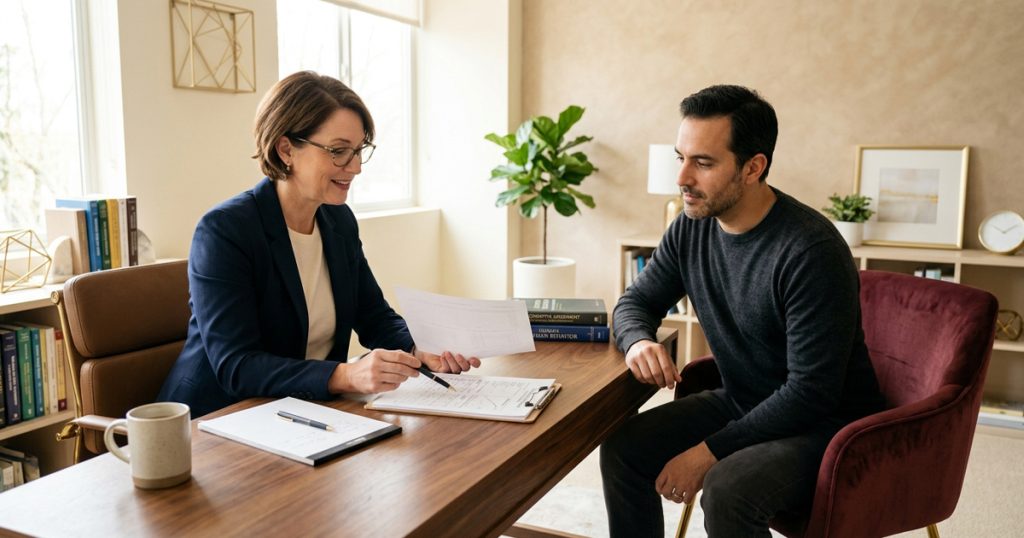
Going to your first therapy session might seem intimidating, but getting prepared will definitely help in reducing this feeling. In many cases, the people who go to their first therapy session might feel scared about the outcome of the therapy and even judge themselves. It should be noted that the first therapy session is actually a huge step towards good psychological well-being. The studies show that the effectiveness of therapy significantly rises when clients are prepared and comfortable. Preparing yourself for your therapy session will help you to make the most out of it.
The following guide is intended to help you to get prepared for the first therapy session. Here, we will cover all the important information about how to prepare for the first therapy session, what questions you can ask, etc.
1. Why Your First Therapy Session Matters
This initial session is crucial to successful therapy. The therapeutic alliance is created at the very beginning of the session, when the goals of the therapy are also outlined, and the therapist gets a clear understanding of the whole situation.
It is natural to have some anxiety in the very first session, thinking about what kind of impression you will create and how you will be judged. The therapists know that it is absolutely normal to feel some vulnerability during your first session. It should be noted that it has the main objective of establishing rapport rather than solving problems.
The knowledge that your first counseling session is just a starting point and not an evaluation process will help you relax. The assessment is a two-way process because not only do you get evaluated by the therapist, but the therapist gets evaluated by you, and if it turns out that this particular therapist is not the correct one, there is nothing wrong with trying another one.
Finding the right therapist before your first session of therapy matters significantly for positive outcomes.
2. Before Your First Therapy Session
Choose Your Therapist Carefully
Investigate their qualifications, expertise, and credentials before booking an appointment. Look up the reviews and get referrals. It is important that you feel comfortable with your therapist from the beginning.
Schedule at Optimal Times
Never schedule your first appointment when you’re tired or in a hurry. An afternoon appointment tends to be better than a morning one. The first counseling session needs your mind and attention.
Prepare Practical Information
Collect the insurance information, identify yourself, and bring along any relevant medical documents. All of these will help make sure you have an easy start to the first counseling session without any administrative complications.
Manage Your Expectations
Be aware of the fact that the first counselling session will be about collecting the history and establishing a therapeutic relationship, and not about resolving any significant problems.
3. What Happens at First Counselling Session
Understanding what happens during your first counselling session reduces anxiety significantly.
Introduction and Rapport Building
You’ll be welcomed into therapy and make yourself comfortable. These are steps to take at the beginning of your therapy session.
Informed Consent and Confidentiality
Your therapist will ask questions about your personal background and problems. You’ll have to provide all the necessary information during your first session. Your session becomes successful only if you tell the truth.
History Taking
The therapist will ask you several questions about your past, present worries, and your mental well-being. The thorough assessment carried out in your first session helps your therapist understand your situation in detail. Be open and sincere, even on issues that make you feel awkward. Your first counseling session is successful only if you speak openly.
Symptom Assessment
The therapist will try to gain a good understanding of your symptoms, their onset, and their effect on your life. Questionnaires can be used by the therapist while conducting the first therapy session.
Goal Setting
Toward the end of your first session, your therapist discusses treatment goals and potential approaches. This collaborative planning during your first counseling session gives you a roadmap forward.
Understanding therapy approaches helps you prepare mentally for your session.
4. What to Bring to Your First Therapy Session
Essential Documents
Bring your insurance card, photo ID, and filled intake forms if they are available on the website. Certain therapists will ask for them before your first therapy session.
List of Medications
All medications that you are currently taking should be listed. This information will be required by your therapist during your first session.
Medical Records
Previous psychological or medical records may be useful if you have them and it is related to your first therapy session.
Notepad and Pen
Writing notes during your first therapy session ensures that you remember the advice and insights. This is usually useful for most first-time counselling sessions.
Contact Information for Emergencies
Have emergency contact numbers ready in case you need support between sessions after your first therapy session.
5. During Your First Therapy Session
Be Honest and Open
Your first therapy session will be successful only if you are authentic. Therapists have seen it all and will not pass any judgment on you. The authenticity that you bring into your first counselling session will have a direct effect on the treatment’s efficacy.
Ask Questions
Do not hesitate to ask any questions regarding your first therapy session or the approach of your therapist. Your first therapy session is the right place to clear up everything related to the therapy process.
Share Your Hopes
Let them know what you expect from therapy. Your therapist should be aware of your expectations at your first therapy session.
Notice Your Comfort Level
Pay attention to how you feel around your therapist during your first therapy session. Trust your instincts about fit and comfort during your first counselling session.
6. After Your First Therapy Session
Reflect on Your Experience
Once you are done with your first session, it is important to reflect upon everything you learned. It is important to identify the things that have become clear to you during your first therapy session.
Follow Recommendations
Your therapist may give you some recommendations or assign some homework after your first therapy session. It is recommended to start implementing those recommendations after your first therapy session.
Schedule Future Sessions
Before you go, schedule your next session after your first therapy session. Regularity is key to making progress in therapy after your first counselling session.
Contact Your Therapist with Concerns
If there was something wrong or unsafe about your first therapy session, get in touch. Feedback after your first therapy session is important.
Continuing therapy support builds on your first therapy session foundation.
Comparison Table: First Therapy Session Expectations
| Element | What to Expect | Duration |
| Introduction | Welcome, comfort building | 5-10 minutes |
| Informed consent | Confidentiality, rights explained | 10 minutes |
| History taking | Background, current concerns | 20-30 minutes |
| Symptom assessment | Detailed symptom exploration | 15-20 minutes |
| Goal setting | Treatment plan discussion | 10-15 minutes |
Conclusion
Preparing yourself for your very first therapy session turns an apparently frightening process into a very empowering one. Preparation before your first counseling session will help you be less nervous and allow you to be completely honest during your first therapy session.
The preparation before the first therapy session is all about readiness to get personal and discuss your problems. The first therapy session is not about perfection; it is about readiness to cooperate with your counselor. Others have also done that and experienced the life-changing first therapy session.
Ready to begin your therapy process? Schedule your first therapy session with our experienced therapists who create a supportive atmosphere for you. Our experts help you feel at ease during your first counseling session and beyond.
For specific concerns like anxiety or trauma, learn about specialized anxiety treatment approaches that may be discussed during your first therapy session. Explore our comprehensive mental health services to understand what therapy options exist for your first counselling session and beyond.
Frequently Asked Questions
How long is a first therapy session?
First therapy appointments last between 50-60 minutes. Your first counseling session may take slightly longer if there’s paperwork involved.
Should I prepare a list for my first therapy session?
Yes. Coming prepared with the topics you want to discuss during your first therapy session will help you not forget about anything important.
What if I don’t like my therapist after my first therapy session?
This is fine. It is very important to choose someone who fits you. Your first therapy session reaction is a normal one. If needed, you can find another therapist after your first counselling session.
Will my first therapy session be confidential?
Yes, except in certain circumstances. Your first therapy session details will remain confidential if you are not a threat to yourself and/or others. This will be explained to you during your first therapy session.
How much does a first therapy session cost?
Costs vary by location and provider. Many insurance plans cover sessions. Ask about costs before scheduling your first therapy session.