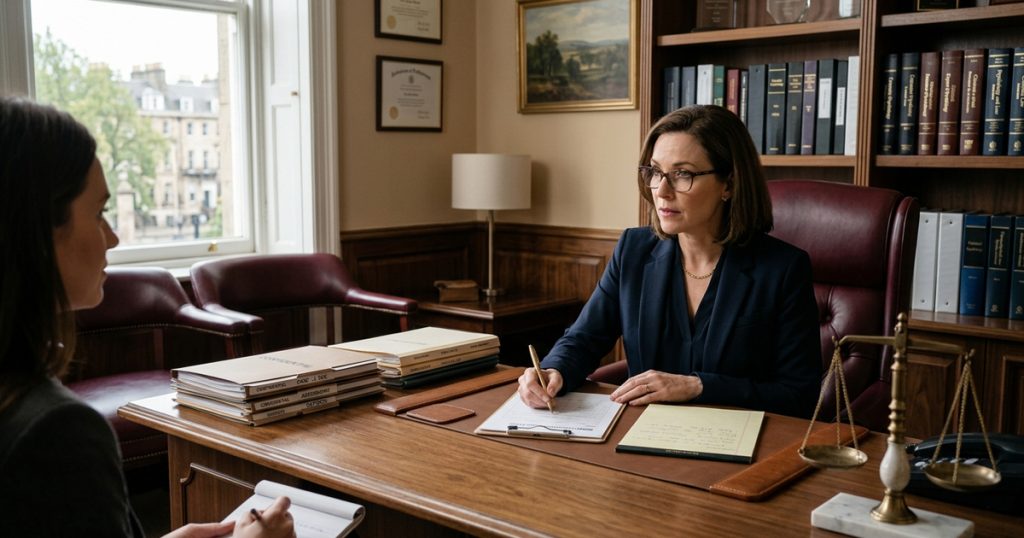
Most couples wait until the relationship feels beyond repair before they ask for help. Research shows the average couple waits six to seven years after serious problems begin before they look into when to start couples therapy in Ontario. By that point, negative patterns are deeply entrenched, and trust has often eroded in ways that take far longer to rebuild.
When to start couples therapy in Ontario is a question worth asking long before the relationship reaches a breaking point. The signs build quietly through small disconnections, avoided conversations, and frustrations that go unaddressed until the distance feels permanent. Starting earlier is not a sign of failure. It is one of the most practical decisions a couple can make.
What Couples Therapy Actually Involves
Couples therapy is a structured clinical process where both partners work with a trained therapist to address communication patterns, rebuild trust, and create healthier ways of relating. It is not a mediation service or a space to assign blame.
Sessions typically last 50 to 60 minutes and focus on the relationship rather than either partner individually. The therapist guides the conversation, identifies patterns both partners may not see clearly, and introduces evidence-based tools for change.
What Approaches Therapists Use in Ontario
Two of the most widely used models in Ontario are Emotionally Focused Therapy (EFT) and the Gottman Method. EFT focuses on attachment bonds and the emotional cycles that drive conflict. The Gottman Method focuses on communication patterns, friendship, and conflict management.
A 2024 study in the Journal of Marital and Family Therapy confirmed that both approaches produce comparable outcomes whether delivered in person or virtually, which is relevant for Toronto couples managing long commutes and demanding schedules.
Why Early Intervention Produces Better Outcomes
Couples who start therapy before a crisis tend to spend fewer sessions reaching their goals. Patterns that have run for months are easier to interrupt than ones that have run for years.
Research consistently shows that around 70 to 75 percent of couples report meaningful improvement after therapy. That success rate is highest among couples who enter treatment while both partners still feel motivated to try.
Why the Six-Year Gap Is So Costly
By the time most couples sit down with a therapist, they have already cycled through the same arguments hundreds of times. Each repetition reinforces the neural pathway, making the pattern faster to trigger and harder to interrupt.
Starting earlier means the therapist spends less time undoing embedded habits and more time building the communication skills the couple actually came in for.
What Are the Signs That You Need Couples Therapy
Knowing when to start couples therapy in Ontario often comes down to recognising these patterns early. The following signals indicate that professional support would help, even if the relationship does not feel in crisis yet.
Communication Has Broken Down
- Conversations about certain topics always escalate into arguments without resolution
- One or both partners withdraw and shut down rather than engaging when conflict arises
- Sarcasm, criticism, or contempt appear regularly in everyday exchanges
- Both partners feel consistently unheard, even when they are speaking
Trust Has Been Damaged
- An affair, emotional or physical, has occurred, and both partners want to work through it
- One partner feels chronically deceived about finances, habits, or whereabouts
- The transparency that once existed has quietly disappeared without explanation
- Rebuilding after a breach of trust is one of the clearest indicators for when couples should see a therapist, since the repair process benefits from a structured, guided environment rather than an unsupported effort alone.
Life Transitions Are Creating Strain
- A new baby, job loss, serious illness, or relocation has shifted the balance of the relationship
- Disagreements about parenting, finances, or family obligations have become recurring flashpoints
- One partner’s needs have changed significantly, and the relationship has not adapted to those changes
When Waiting Too Long Becomes the Problem
Many couples frame therapy as a last resort reserved for situations on the edge of separation. Understanding when to start couples therapy in Ontario reframes it as a proactive tool, not a last resort.
Couples who use therapy to address emerging patterns preserve the goodwill and emotional investment that makes change possible. That window is far easier to work with than the damage that accumulates from years of delay.
When to Seek Help Immediately
- Physical or emotional safety concerns exist within the relationship
- One or both partners are experiencing significant mental health symptoms that the relationship is amplifying
- Separation or divorce feels like the only remaining option, and neither partner is yet certain
- Children in the household are visibly affected by the ongoing conflict between their parents
How Couples Therapy Works in Ontario
Couples asking when to start couples therapy in Ontario will find sessions delivered by registered psychologists, registered psychotherapists, and registered social workers. Appointments are available both in person and virtually through secure, PHIPA-compliant platforms across the province.
The Ontario Health Insurance Plan does not cover couples therapy. Many extended health benefit plans cover sessions with registered providers, and it is worth reviewing your policy before booking to confirm which designations your plan includes.
How Virtual Therapy Has Changed Access in Toronto
Toronto has the longest average commute of any city in Canada. Virtual therapy removes that barrier entirely, allowing couples to attend sessions from home without losing an evening to traffic on the Gardiner or a delay on the TTC.
Online couple therapy sessions across Ontario carry the same clinical quality as in-person appointments. A 2024 study confirmed equivalent effectiveness across delivery formats, which makes virtual access a genuine option rather than a compromise for busy Toronto couples.
Where Individual Work Fits Alongside Couples Therapy
Couples therapy addresses the relationship. It does not replace the individual work that some partners need alongside it. Anxiety, unresolved trauma, depression, or attachment wounds rooted in personal history can drive relational patterns that couples therapy alone cannot fully resolve.
When one or both partners carry significant individual difficulties into the relationship, Individual counselling running concurrently with couples sessions often produces faster and more stable change. A therapist working with the couple can help coordinate that parallel support when needed.
How a Psychologist Coordinates Both Streams of Support
A registered psychologist at Dr. Khayyat & Associates provides both couple therapy and individual sessions, which allows clinical information to inform both streams of treatment without requiring two separate referrals or two separate relationships to manage.
This integrated approach benefits couples where both partners are committed to personal growth alongside relational change. Progress in one stream tends to accelerate progress in the other.
Signs You Need Couples Therapy: Quick Reference
| Category | Early Signs | Urgent Signs |
| Communication | Recurring unresolved arguments | Complete shutdown or contempt in daily exchanges |
| Trust | Growing distance and secrecy | Discovered an affair or repeated deception |
| Life transitions | Strain after a major change | Ongoing conflict affecting children |
| Emotional connection | Feeling like roommates | Persistent loneliness inside the relationship |
| Individual wellbeing | One partner’s needs are going unmet | Mental health symptoms amplified by the relationship |
Conclusion
Deciding when to start couples therapy in Ontario comes down to recognising patterns early rather than waiting for a crisis to force the conversation. This guide covered the warning signs, why earlier intervention produces better results, how therapy is delivered across Ontario in 2026, and where individual support fits alongside couples work.
The couples who benefit most from therapy are not always the ones in the most trouble. They are the ones who decide that a better relationship is worth working toward before the damage becomes the only thing left to repair. Contact Dr. Khayyat & Associates Psychology Practice to book a couples therapy session with a registered psychologist serving clients in Toronto and across Ontario.
FAQs
Does couples therapy work if only one partner wants to go?
Therapy is most effective when both partners engage willingly. One partner attending alone can still produce change, since shifting one person’s communication patterns often shifts the relational dynamic. A therapist can also help the attending partner decide how to approach the reluctant one.
How many couples therapy sessions will we need?
Session numbers depend on the complexity of the presenting issues and how consistently both partners apply what they learn between sessions. Many couples see meaningful progress within 8 to 12 sessions. More complex situations involving trust repair or long-standing patterns often benefit from longer engagement.
Is couples therapy covered by OHIP in Ontario?
Couples therapy is not covered by OHIP. Many extended health benefit plans cover sessions with registered psychologists or registered psychotherapists. Reviewing your specific plan before booking clarifies what designations and session limits apply.
What is the difference between couples therapy and marriage counselling?
The two terms describe the same general process. Couples therapy is the clinical term used by registered mental health professionals, while marriage counselling is a broader term used in everyday language. Both involve a structured therapeutic process aimed at improving the relationship.
When is the right time to start couples therapy in Ontario?
The right time to consider when to start couples therapy in Ontario is before problems feel unsolvable. If communication has broken down, trust has been damaged, or a major life change has strained the relationship, those are clear signals that structured professional support would help.